
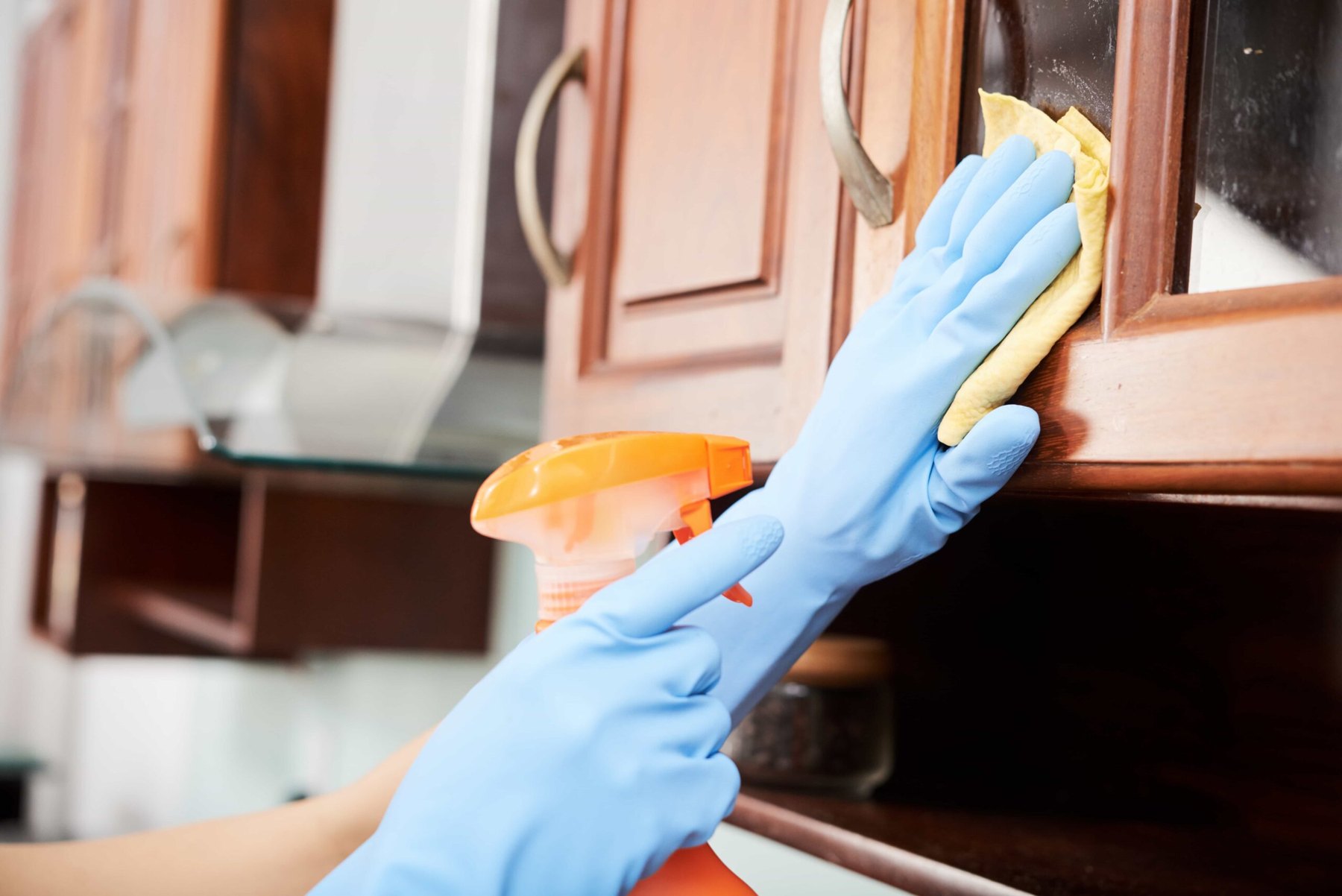
Grease does not wipe off. It builds in thin layers on cupboard doors, extractor canopies, tiles and the tops of units, and by the time it is visible it has usually been there a long while. Getting it off is a matter of the right products, dwell time and effort, not scrubbing harder.
A kitchen deep clean covers the oven inside and out, the hob and extraction, cupboard fronts and interiors, tiles and grout, sinks and taps, and the floor including the edges and under the units where it is reachable.
For commercial kitchens the same work carries a compliance weight: grease in extraction is a fire risk and an EHO issue, and the state of a kitchen shows up in a hygiene rating. We work around service times, including overnight.
How we do it
Everything comes out
Appliances moved where it is safe to do so, shelves and drawers emptied, so the clean reaches the surfaces that never normally see a cloth.
Degrease, then detail
The right products left to do their work, then the detail — grout lines, handles, trims, seals, extractor filters and the tops of units.
Put back properly
Everything returned where it came from. You should come back to your kitchen, not to a puzzle.
What is covered
- Ovens, hobs and grills
- Extractor hoods and filters
- Cupboard fronts and interiors
- Tiles, grout and splashbacks
- Behind and under appliances
- Commercial kitchens and food premises
See the difference
Before and after
Photographs of jobs we have actually done. Drag the handle across the image to compare.
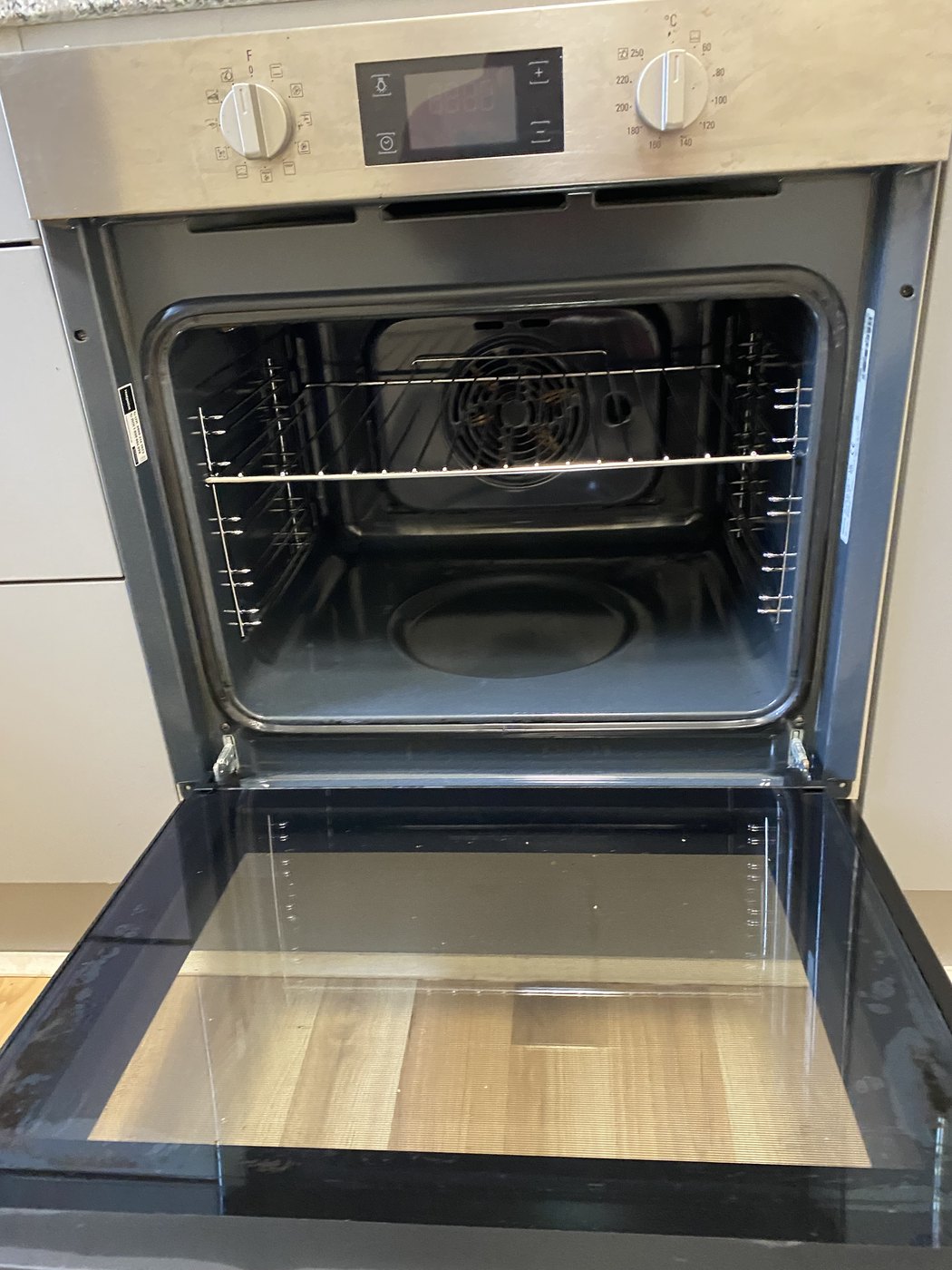
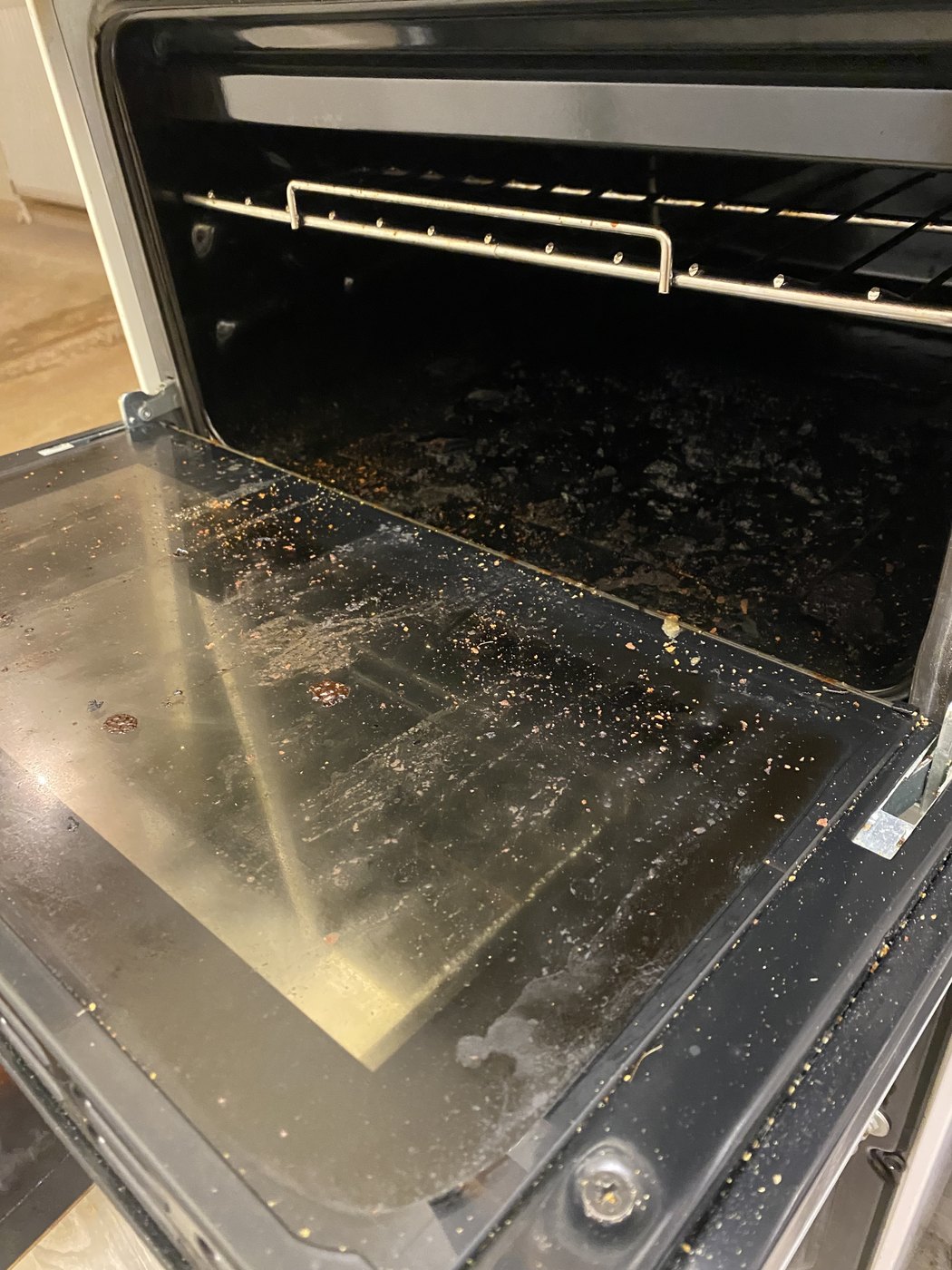
Oven, burnt-on grime to clean
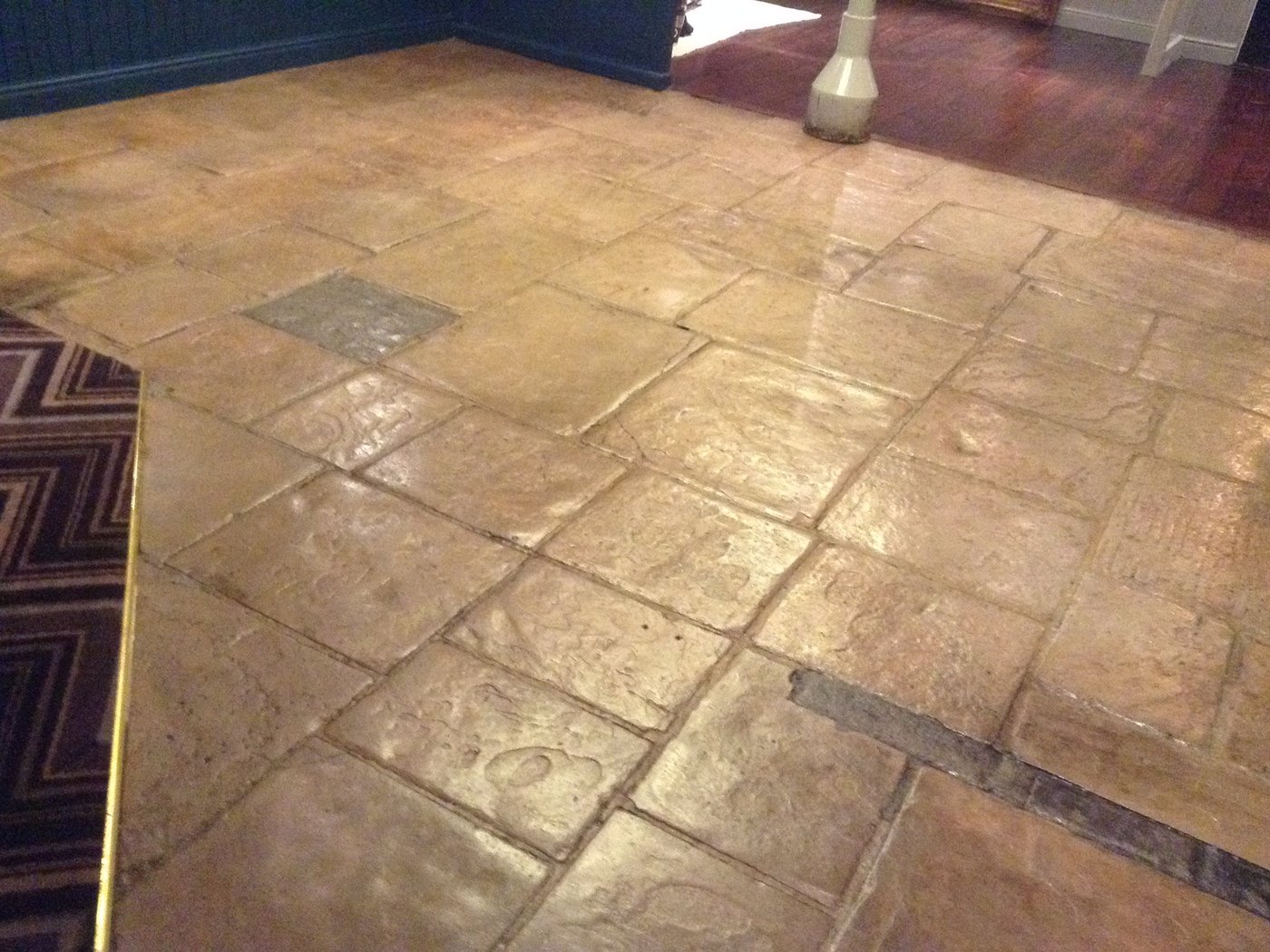
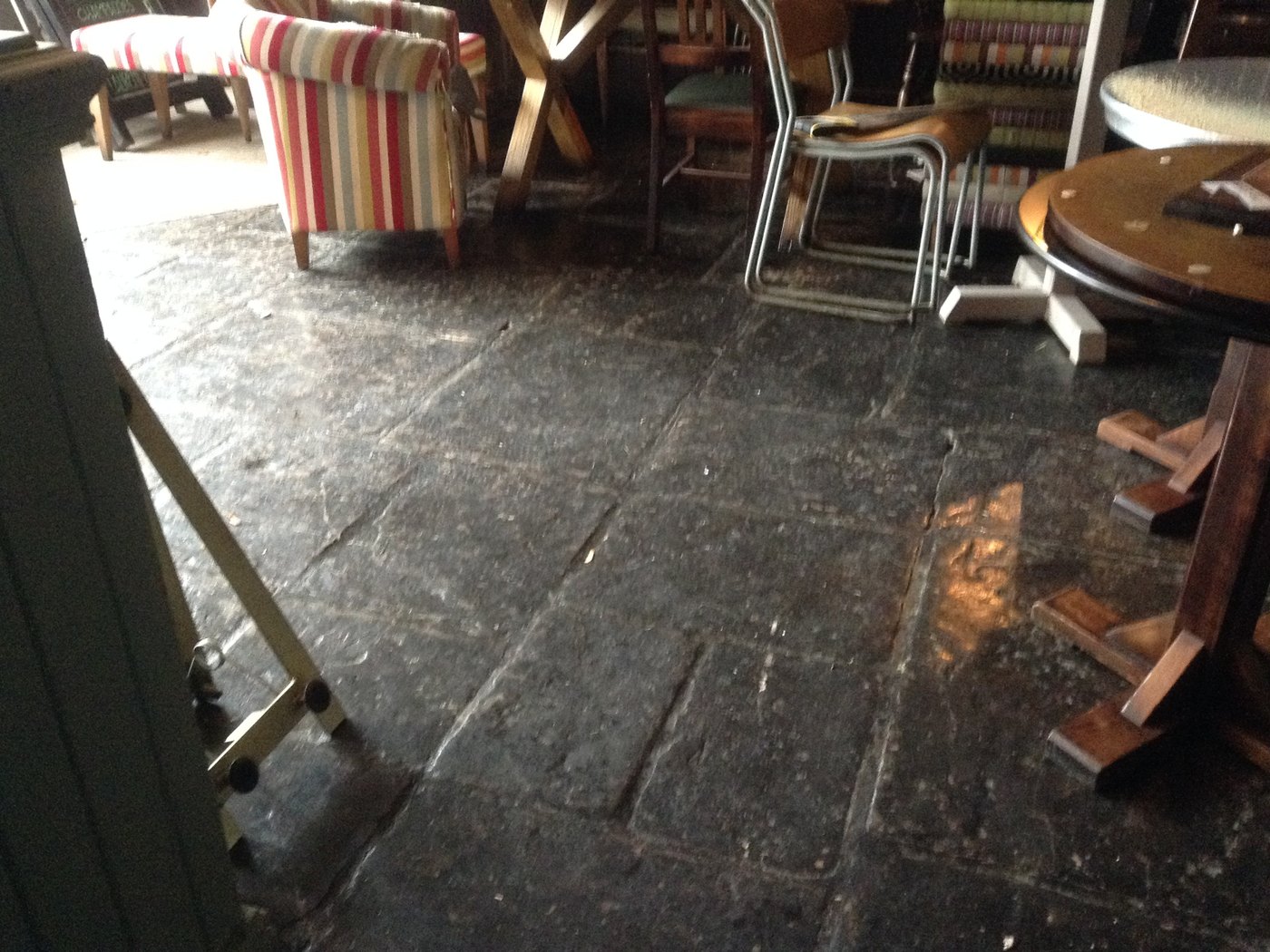
Flagstone floor, years of grime taken back off
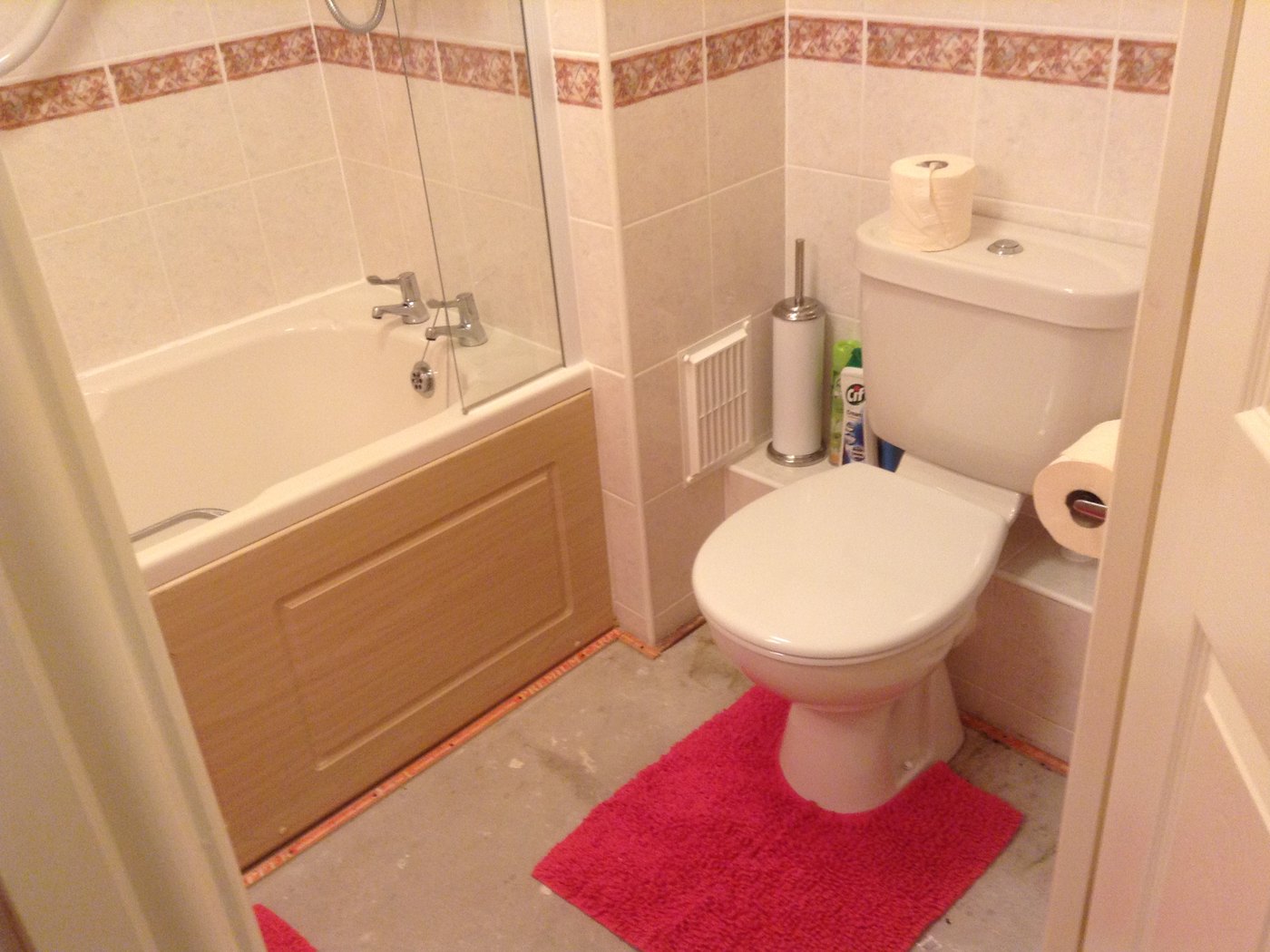
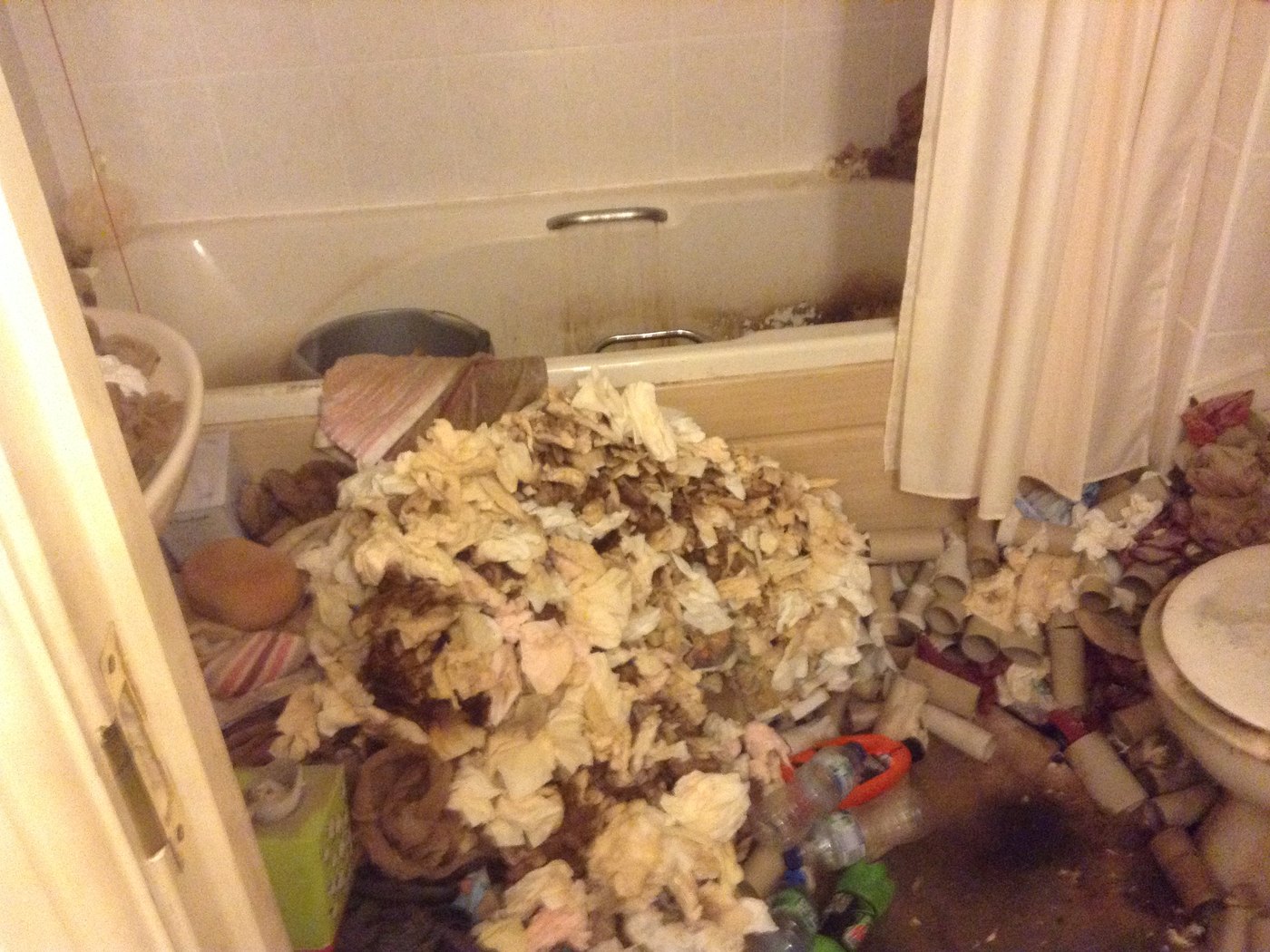
Bathroom cleared and deep cleaned
Questions
Kitchen Cleaning — your questions answered
Do you clean ovens as part of a kitchen clean?
Yes — the oven is usually the reason people call. That means the inside, the door glass including between the panes where the door comes apart, the shelves, and the racking. Hobs, extractor filters and grills are done at the same time. If the oven is the only thing you want doing we can do that on its own, but most people find that once the oven is gleaming the rest of the kitchen starts to look tired by comparison.
How long does a kitchen deep clean take?
A typical domestic kitchen is most of a day, and a heavily built-up one can be longer. The variable is not the size of the room, it is how long since the last deep clean — degreasing needs dwell time and you cannot rush it without leaving a film behind. We will give you a realistic figure when we have seen it, and we would rather tell you it is a full day than turn up and do half a job in four hours.
Can you clean commercial kitchens?
Yes, and a good deal of our commercial work is exactly that. Commercial kitchen cleaning carries obligations a domestic one does not — grease accumulation in extraction is a genuine fire risk, and the condition of the kitchen feeds into your hygiene rating. We work around service, including overnight and early mornings, so the kitchen is ready when you open rather than closed while we work.
Are the products safe around food and pets?
Yes. Food-safe products are used on food-contact surfaces and everything is rinsed down properly afterwards, which matters as much as the product choice. If you have particular sensitivities, pets, or products you would rather we used, tell us and we will work with them.
Will you move the appliances?
Where it is safe and practical, yes — that is usually where the worst of it is. Freestanding cookers and fridges come out. Integrated appliances and anything plumbed or hard-wired we leave alone unless it can be moved without risk, because a flooded kitchen is a poor trade for a clean floor.
How often should a kitchen be deep cleaned?
For a busy domestic kitchen, once or twice a year alongside regular cleaning keeps it from ever getting bad. Commercial kitchens need far more frequent attention, and extraction in particular is usually on a schedule tied to how heavily it is used. If it has been years rather than months, expect the first clean to be the big one and subsequent ones to be much easier.
“Thank you to Ashton Cleaning Services, Exeter. You have done a wonderful job. So on behalf of Mr Parker a very big thank you.”